A massive data center is coming to Brandon, Mississippi—and depending on who you ask, it’s either the biggest economic win the city and county has seen in years… or a high-tech gamble being rushed through with more questions than answers.
City leaders, Rankin County officials, and economic-development groups are firmly behind it. But residents across Brandon—and across the country—are increasingly skeptical of data centers and what they really bring to a community.
So what’s fact, what’s fear, and what should Brandon residents actually know?
Let’s break it down.
Why Data Centers Are Suddenly Everywhere—Especially in the South
Data centers are the backbone of modern life. Cloud storage, AI, streaming video, banking, government systems—none of it works without massive server facilities running 24/7.
States like Mississippi are aggressively recruiting them with:
- Tax incentives
- Infrastructure commitments
- Fast-tracked approvals
This particular Brandon project is widely believed to have state-level involvement, likely originating through the Governor’s office or state economic development channels. Locally, the City of Brandon, Rankin County, and Rankin First are publicly aligned in support.
On paper, the sales pitch is strong:
- Hundreds of millions (or more) in capital investment
- Long-term property tax base
- High-tech credibility for Mississippi
But residents nationwide are starting to ask whether that pitch tells the whole story.
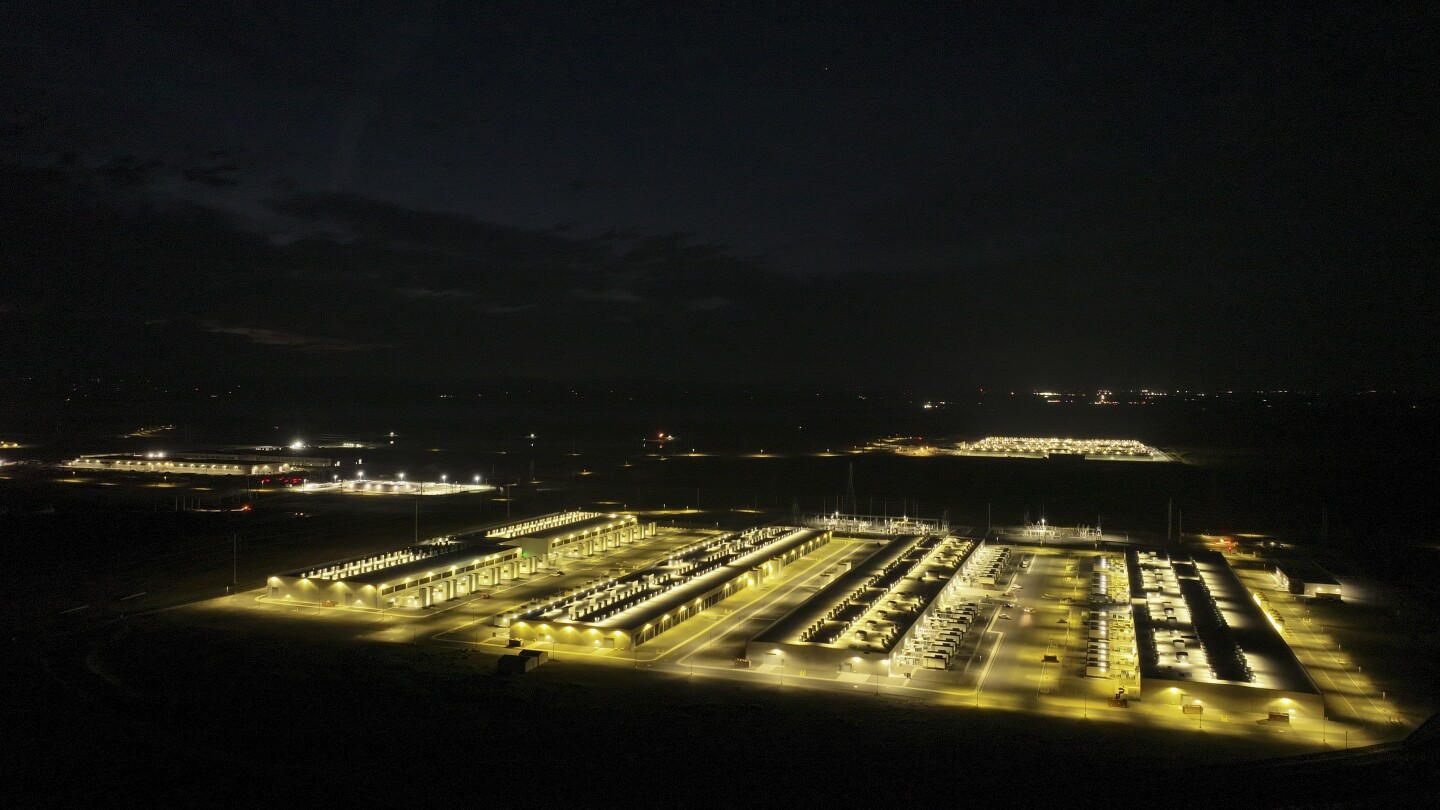
The Big Rumor: Is Big Tech “Targeting” the South?
Here’s where things get uncomfortable—and where Brandon’s debate fits into a national pattern.
Across the U.S., there is growing criticism that large tech companies—Facebook/Meta, Google, Amazon, Microsoft, and others—are concentrating data centers in Southern and rural states not by accident, but by design.
What Critics Claim
Opponents in other states argue that data centers are drawn to:
- Cheaper land
- Lower electricity costs
- More flexible zoning
- Generous tax incentives
- Communities eager for economic development
Some critics go further, arguing that rural or Southern communities are being sold an outsized promise—jobs, growth, prestige—without fully understanding the long-term trade-offs.
To be clear:
There is no evidence that tech companies are intentionally “preying on uneducated communities.”
But there is evidence that they strategically seek locations where:
- Land is less expensive
- Governments are willing to offer incentives
- Resistance is lower than in dense urban or suburban areas
That distinction matters.
What the Research Actually Shows
Studies, journalism, and policy analysis confirm several key points:
- Data centers cluster where power is cheap and abundant, which often means Southern states
- Rural areas are attractive because land is plentiful and zoning is simpler
- Local governments often compete with each other, offering tax breaks to land projects
At the same time, many communities later discover:
- Permanent job creation is relatively small
- Environmental and infrastructure impacts are long-term
- Once approved, leverage over operators is limited
This has fueled backlash in states like Virginia, Georgia, Texas, Arizona, and North Carolina—places that initially welcomed data centers and later questioned the cost-benefit balance.
Water: The Issue Everyone Fixates On
Concern: Data centers are notorious for massive water consumption.
What Brandon officials say:
The Brandon facility will not draw from city water and will instead rely on its own independent water supply.
What’s factual:
- Many modern data centers use alternative or closed-loop cooling
- Some rely heavily on groundwater or private wells
- Water impact varies widely by design
The real question isn’t whether the water is municipal—it’s how much water is being used, where it comes from, and whether usage is capped or monitored.
🚰 “It Won’t Use City Water” — But It Will Use Water
Brandon officials have stated that the data center will rely on an independent water supply, not the city’s municipal system.
That’s an important distinction—but it’s not the whole story.
Data centers need water primarily for cooling. Depending on design, that can mean:
- Groundwater wells
- Private water rights
- Closed-loop systems that still require makeup water
Across the U.S., critics argue that removing water from local aquifers can still affect:
- Long-term water availability
- Agricultural users
- Future municipal expansion
The key unanswered questions are:
- How much water will be used daily?
- Is there a cap or reporting requirement?
- Who monitors usage long-term?
“Not city water” does not automatically mean “no local impact.”
Power, Brownouts, and Grid Strain
Concern: Data centers can overwhelm local electrical systems.
What officials say:
The project will include a dedicated substation built with Entergy, specifically to serve the data center.
What’s true nationally:
- Large data centers consume power equivalent to tens of thousands of homes
- Dedicated substations reduce—but do not eliminate—grid pressure
- Utilities nationwide are racing to expand capacity due to data center demand
This isn’t speculation. Power infrastructure strain tied to data centers is already being debated in multiple states.
Noise, Light, and “Out of Sight” Impacts
Data centers operate 24/7. Residents elsewhere report:
- Constant low-frequency fan noise
- Routine generator testing
- Bright security lighting
These impacts depend heavily on:
- Distance from residential areas
- Landscaping and buffers
- Enforcement of local ordinances
Details matter—and those details are rarely front-and-center during initial announcements.
The Jobs Question No One Likes to Ask
Here’s a hard truth that shows up again and again:
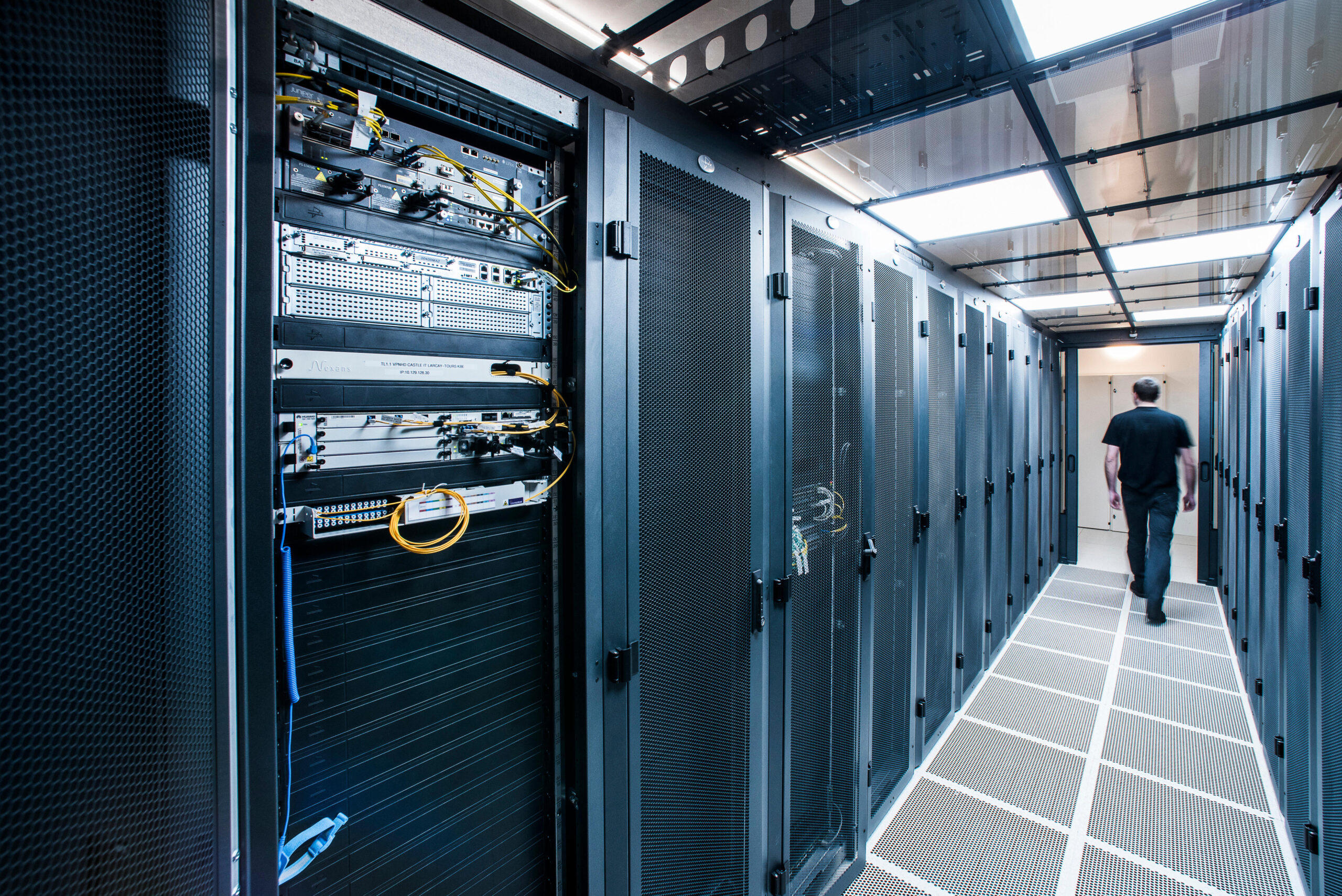
After construction, data centers employ relatively few people.
Often:
- Dozens of full-time employees
- Highly specialized roles
- Limited ripple effect for local labor
That doesn’t make data centers “bad.”
But it does mean they are not traditional job engines—and should not be marketed as such.
So Why Are Officials Still Enthusiastic?
From a government standpoint:
- Data centers expand the tax base
- They generate revenue with minimal traffic
- They signal economic momentum
Rankin County leaders see this as a statement project—proof that Brandon can compete nationally for large-scale investment. That argument has merit. But so does public skepticism.
The Bottom Line: This Isn’t Hysteria—It’s Due Diligence
The Brandon data center may not drain city water.
It may not cause brownouts.
It may operate quietly and cleanly.
But across the country, communities are learning that questions asked early matter more than promises made later.
This isn’t about being anti-growth.
It’s about transparency, safeguards, and understanding long-term consequences before construction begins.
Because once the servers are live, the deal is done.
Rankin First and the City of Brandon has hosted at least 1 “public” meeting about this, but the attendees for the meeting were invited by officials, likely because they may not ask hard questions and are otherwise in favor of the development. Maybe the City of Brandon, Rankin County officials, Rankin First, Brandon Main Street, Brandon Chamber, and Rankin County Chamber should host a truly public forum, so anyone may attend and ask questions that many are asking on social media. All of these parties appear to be supportive of the development.
If you agree, send an email to any or all of the following, asking for such a forum:
Rankin First
Garrett Wright
Rankin First, Executive Director
Email: gwright@RankinFirst.com
Rankin County
Supervisor, District 1
Sid Scarbrough
Email: Sid.Scarbrough@RankinCounty.org
Supervisor, District 2
Phil Schoggen
Email: Phil.Schoggen@RankinCounty.org
Supervisor, District 3
Brad Calhoun
Email: bcalhoun@RankinCounty.org
Supervisor, District 4
Steve Gaines
Email: sgaines@RankinCounty.org
Supervisor, District 5
Jay Bishop
Email: jbishop@RankinCounty.org
Copy/Paste these email addresses, if you want to send an email to all the Rankin County Supervisors at one time:
Sid.Scarbrough@RankinCounty.org, Phil.Schoggen@RankinCounty.org, bcalhoun@RankinCounty.org, sgaines@RankinCounty.org, jbishop@RankinCounty.org
City of Brandon Mississippi
Mayor
Butch Lee
Email: Blee@BrandonMS.org
Alderman, Ward 1
Jarrad Craine
Email: jcraine@BrandonMS.org
Alderman, Ward 2
Cris Vinson
Email: cvinson@BrandonMS.org
Alderman, Ward 3
Harry Williams
hwilliams@BrandonMS.org
Alderman, Ward 4
Lu Coker
Email: lcoker@BrandonMS.org
Alderman, Ward 5
Jereme King
Email: jeking@BrandonMS.org
Alderman, Ward 6
David Farris
Email: dfarris@BrandonMS.org
Alderman At Large
Sharon Womack
Email: swomack@BrandonMS.org
Copy/Paste these email addresses, if you want to send an email to all the Brandon City Officials at one time:
blee@BrandonMS.org, jcraine@BrandonMS.org, cvinson@BrandonMS.org, hwilliams@BrandonMS.org, lcoker@BrandonMS.org, jeking@BrandonMS.org, dfarris@BrandonMS.org, swomack@BrandonMS.org
Brandon Main Street
Email: Info@BrandonMainStreet.com
Brandon Chamber
Email: Director@BrandonChamber.org
Rankin County Chamber of Commerce
Email: Information@RankinChamber.com
Copy/Paste these emails if you want to send an email to these non-profit organizations who likely support the development:
info@BrandonMainStreet.com, Director@BrandonChamber.org, Information@RankinChamber.com
State Representatives
Mississippi Senate (Rankin County districts)
- District 20 — Sen. Josh Harkins — jharkins@senate.ms.gov
- District 30 — Sen. Dean Kirby — dkirby@senate.ms.gov
- District 31 — Sen. Tyler McCaughn — tmccaughn@senate.ms.gov
- District 36 — Sen. Brian Rhodes — brhodes@senate.ms.gov
Mississippi House of Representatives (Rankin County districts)
(These are the House districts Rankin County lists as covering Rankin in some part.)
- District 59 — Rep. Brent Powell — bpowell@house.ms.gov
- District 60 — Rep. Fred Shanks — fshanks@house.ms.gov
- District 61 — Rep. Gene Newman — gnewman@house.ms.gov
- District 62 — Rep. Lance Varner — lvarner@house.ms.gov
- District 68 — Rep. Zakiya Summers — zsummers@house.ms.gov
- District 74 — Rep. Lee Yancey — lyancey@house.ms.gov
- District 75 — Rep. Celeste Hurst — churst@house.ms.gov
- District 77 — Rep. Price Wallace — pwallace@house.ms.gov
- District 79 — Rep. Mark K. Tullos — mtullos@house.ms.gov
Copy/Paste these emails if you want to send an email to all the State Representatives whose districts include part of Rankin County:
jharkins@senate.ms.gov, dkirby@senate.ms.gov, tmccaughn@senate.ms.gov, brhodes@senate.ms.gov, bpowell@house.ms.gov, fshanks@house.ms.gov, gnewman@house.ms.gov, lvarner@house.ms.gov, zummers@house.ms.gov, lyancey@house.ms.gov, churst@house.ms.gov, pwallace@house.ms.gov, mtullow@house.ms.gov
What do you think?
Is this the future Brandon needs—or a risk worth scrutinizing?